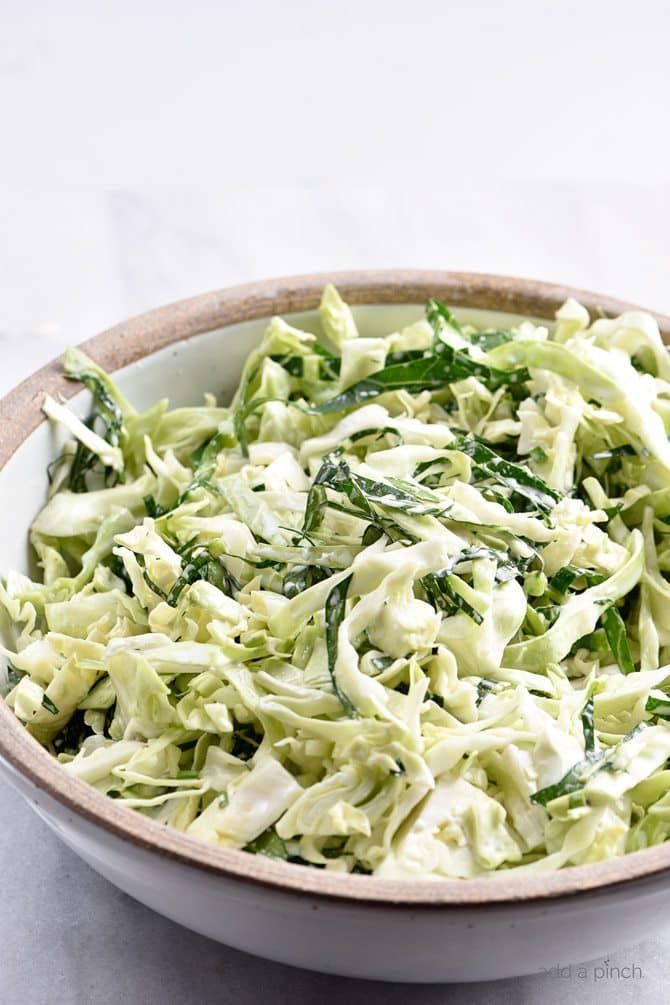
Beyond the Basic: Elevating Your Cabbage Collard Green Coleslaw Recipe
The humble coleslaw gets a vibrant, nutrient-packed makeover when you introduce the robust flavors and textures of collard greens alongside classic cabbage. If you've already explored the foundational techniques and benefits in
cabbage collard green coleslaw recipe - Article 1, you're ready to dive deeper. This article isn't just about another *cabbage collard green coleslaw recipe*; it's about mastering the art of this unique slaw, understanding its nuances, and unleashing its full potential. From sophisticated flavor profiles to expert preparation tips, we'll guide you through creating a slaw that’s far from ordinary, transforming it from a side dish into a star.
Combining the crispness of cabbage with the earthy, slightly bitter notes of collards offers a dynamic interplay that excites the palate. It's a fantastic way to incorporate more dark leafy greens into your diet, bringing a wealth of vitamins A, C, and K, as well as fiber and antioxidants. Whether you're aiming for a light summer salad or a hearty accompaniment to your favorite BBQ, understanding the subtle science behind the shred and the alchemy of the dressing will elevate your cabbage and collard green coleslaw to new heights.
Creamy Classic with a Twist
While the core of many coleslaw recipes lies in a creamy, mayonnaise-based dressing, we can elevate this traditional approach for our cabbage collard green coleslaw recipe. The key is to balance the richness with tang and a hint of unexpected flavor. Start with a good quality mayonnaise as your base. Whisk in a generous amount of apple cider vinegar, which complements collards beautifully, and a dollop of Dijon mustard for a sophisticated kick. For sweetness, instead of plain sugar, consider a touch of maple syrup or honey, which adds depth. A pinch of celery seeds offers that classic deli coleslaw aroma, while a whisper of smoked paprika can tie into the Southern roots of collard greens, adding a subtle warmth that pairs wonderfully with the earthiness of the greens. Don't be afraid to add fresh herbs like chives or dill for a vibrant finish.
Zesty Vinaigrette for a Lighter Touch
For those seeking a lighter, brighter alternative to the creamy dressing, a zesty vinaigrette is an excellent choice for your cabbage collard green coleslaw recipe. This style allows the natural flavors of the cabbage and collards to shine through more prominently. Begin with a high-quality extra virgin olive oil and pair it with a bright acid – fresh lemon juice, lime juice, or white wine vinegar all work well. For an extra layer of flavor, consider incorporating a citrus zest, like orange or lemon, which provides aromatic oils and a subtle sweetness. Minced garlic and shallots can add a pungent depth without overpowering. Fresh herbs such as cilantro, parsley, or mint can introduce a burst of freshness, especially if you're aiming for an Asian-inspired or Latin-American twist. A dash of red pepper flakes can provide a gentle heat that awakens the palate, making this a refreshing counterpoint to richer main dishes.
The Art of Shredding: Prepping Your Greens for Perfect Slaw
The success of any coleslaw, especially a complex one like a cabbage collard green coleslaw recipe, hinges significantly on how you prepare your vegetables. The texture of the shred and the removal of excess moisture are critical factors that separate a good slaw from a truly great one. Paying attention to these details ensures your slaw remains crisp, flavorful, and not watery, even after resting.
Choosing the Best Cabbage and Collards
Selecting peak-fresh produce is the first step to a superior slaw. For cabbage, look for heads that are firm, heavy for their size, and free from significant blemishes. Green cabbage is the most common choice, but purple cabbage can add a beautiful color contrast and slightly peppery notes. When choosing collard greens, seek out leaves that are vibrant dark green, crisp, and not wilted or yellowing. Smaller, younger collard leaves tend to be more tender and less bitter, making them ideal for raw applications like coleslaw. Avoid leaves with thick, woody stems, as these can be tough even after fine shredding.
Mastering the Shred
Achieving the right texture for your cabbage and collards is paramount. A mix of fine and slightly coarser shreds often provides the most interesting mouthfeel.
- Cabbage: A sharp chef's knife is perfectly adequate for slicing cabbage into thin ribbons. For more uniform shreds, a mandoline slicer is excellent, but use caution and a guard. A food processor with a shredding disk can also make quick work of it, but be careful not to overprocess, which can lead to a mushy texture.
- Collard Greens: Collard greens are tougher than cabbage and require finer shredding to be enjoyable raw. Remove the tough central rib from each collard leaf. Stack several leaves, roll them tightly like a cigar, and then slice them crosswise into very thin ribbons (a technique called chiffonade). This ensures they integrate well with the cabbage and aren't overly chewy. For a very fine texture, you can even use a food processor with a S-blade briefly, pulsing until finely chopped but not pureed.
The Salt-and-Drain Trick
This often-overlooked step is a game-changer for any coleslaw, but it's particularly beneficial for a cabbage collard green coleslaw recipe. Cabbage and collards both contain a high water content. If not addressed, this water will leach out into your dressing, diluting its flavor and making your slaw watery and limp over time. After shredding your vegetables, place them in a large colander and sprinkle generously with salt (about 1-2 teaspoons per head of cabbage/bunch of collards). Toss well and let them sit for at least 30 minutes, or up to an hour. The salt will draw out excess moisture. You'll be surprised how much liquid collects at the bottom of the colander. Afterward, rinse the shredded greens thoroughly under cold water to remove excess salt, then squeeze them firmly in a clean kitchen towel or paper towels to remove as much water as possible. This step ensures a crisp, flavorful slaw that holds its integrity for longer.
Flavor Pairings & Variations to Inspire Your Cabbage Collard Green Coleslaw Recipe
Once you've mastered the basic structure of your cabbage collard green coleslaw recipe, the fun truly begins with experimentation. This unique base offers a fantastic canvas for a wide array of flavors and textures. Don't be afraid to think outside the box and personalize your slaw to suit your mood, meal, or dietary preferences.
Unexpected Add-ins for Texture and Taste
Adding different ingredients can transform your slaw, introducing new dimensions of crunch, sweetness, or savory notes.
- Fruits: Sliced apples (Granny Smith for tartness, Honeycrisp for sweetness), grapes (halved), or even segments of orange can add a refreshing sweetness and juiciness that contrasts beautifully with the greens. Dried cranberries or cherries offer a concentrated burst of sweet-tart flavor and a chewy texture.
- Nuts & Seeds: Toasted pecans, walnuts, or almonds provide a satisfying crunch and nutty flavor, especially good with creamy dressings. Sunflower seeds or pumpkin seeds (pepitas) add a similar textural element and healthy fats.
- Vegetables: Thinly sliced carrots, bell peppers (red or yellow for sweetness), or even jicama for an extra watery crunch can enhance both the visual appeal and nutritional profile. For an intriguing twist, try thinly sliced radishes for a peppery bite or finely diced fennel for a subtle anise flavor.
Spice it Up: Herbs & Heat
Fresh herbs and a touch of heat can dramatically alter the character of your cabbage collard green coleslaw recipe.
- Fresh Herbs: Beyond chives and dill, consider fresh cilantro for a bright, almost citrusy note, particularly good with a lime-based vinaigrette. Parsley adds a fresh, green depth. Mint can be surprisingly refreshing, especially if you're pairing the slaw with lamb or a Mediterranean-inspired dish.
- Heat Elements: A dash of red pepper flakes, a finely minced jalapeño (seeds removed for less heat), or a few drops of your favorite hot sauce can give your slaw a lively kick. For a smoky heat, consider a pinch of chipotle powder.
- Aromatics: Finely grated ginger can add a wonderful zing, especially in an Asian-inspired slaw. Toasted sesame seeds and a drizzle of sesame oil also pair excellently with ginger and a touch of soy sauce (or tamari for gluten-free options).
Protein Power-Ups
Want to turn your cabbage collard green coleslaw into a more substantial meal? Incorporating a protein source is a fantastic idea.
- Meats: Shredded grilled chicken, pulled pork, or even smoked turkey can transform the slaw into a satisfying main course. These options pair particularly well with creamy or Southern-inspired dressings.
- Plant-Based Proteins: Chickpeas, black beans, or edamame can add plant-based protein and fiber, making the slaw a complete vegetarian or vegan meal. Tofu or tempeh, either crumbled or pan-fried and diced, can also be excellent additions.
Serving Suggestions and Make-Ahead Tips
Once you've perfected your cabbage collard green coleslaw recipe, knowing how to serve it and store it properly ensures maximum enjoyment. This versatile dish can complement a wide array of meals and can even be prepared ahead of time to simplify your meal prep. For more advanced ideas, don't miss
cabbage collard green coleslaw recipe - Article 3, which delves into meal planning and pairing.
Perfect Pairings
The robust flavor profile of a cabbage collard green coleslaw makes it an excellent accompaniment to many dishes:
- BBQ & Grilled Meats: This slaw is a natural partner for smoky barbecue, pulled pork sandwiches, grilled chicken, or brisket. Its crispness and tangy dressing cut through the richness of the meat.
- Fried Foods: Whether it's classic fried chicken, crispy fish and chips, or even vegetable fritters, the fresh, crunchy slaw provides a welcome contrast.
- Tacos & Sandwiches: Use it as a vibrant topping for fish tacos, pork carnitas, or even as a fresh element in a hearty deli sandwich. Its texture and flavor add depth that lettuce simply can't.
- Southern Comfort Food: Given the collard green component, this slaw perfectly complements other Southern staples like corn on the cob, hushpuppies, or a hearty bowl of chili.
- Picnics & Potlucks: Its ability to travel well (especially the vinaigrette versions) makes it a go-to for outdoor gatherings.
Storage & Longevity
Proper storage is crucial for maintaining the freshness and crispness of your cabbage collard green coleslaw.
- Refrigeration: Store any leftover coleslaw in an airtight container in the refrigerator.
- Creamy Dressings: Slaws with creamy dressings typically last 2-3 days. The longer they sit, the more the vegetables may soften, and the dressing might thin out.
- Vinaigrette Dressings: Vinaigrette-based slaws often fare better and can last 3-4 days, sometimes even longer if the greens were thoroughly salted and drained.
- Make-Ahead Tips: If you plan to make the coleslaw ahead of time, especially more than 4-6 hours in advance, it's best to store the shredded and thoroughly dried vegetables separately from the dressing. You can prepare both components and mix them just an hour or two before serving. This prevents the vegetables from becoming soggy and ensures maximum crunch.
- Freezing: Coleslaw, due to its high water content and fresh ingredients, does not freeze well. The texture will become mushy upon thawing, and the flavors will be compromised.
This cabbage collard green coleslaw recipe is not just a side dish; it’s a celebration of fresh produce, versatile flavors, and clever culinary techniques. By understanding how to select and prepare your greens, experiment with different dressings, and integrate exciting add-ins, you can transform a simple slaw into an extraordinary culinary experience that delights and nourishes. Enjoy the journey of discovery, and let your creativity shine!